Is mobile the next form of mass media? Best-selling author, speaker and mobile project lead, Luke Wroblewski thinks so, and in this video from Cascade SF, he'll talk about what that means and how that impacts mobile UX design.
People use their smartphones anywhere and everywhere they can, which often means distracted situations that require one-handed use and short bits of partial concentration. By LukeW
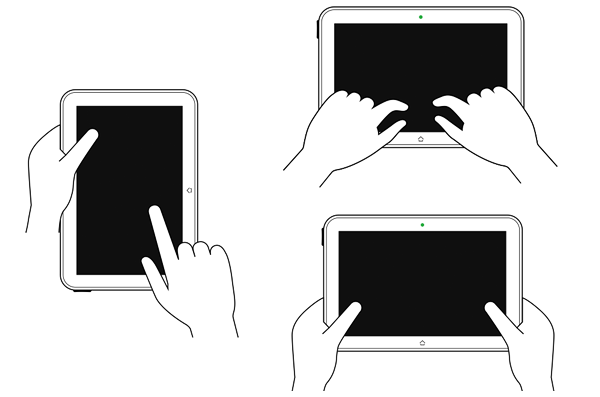
As more diverse devices embrace touch as a primary input method, it may be time to revisit navigation standards on the Web. How can a navigation menu be designed to work across a wide range of touch screen sizes? By LukeW
Getting things wrong is inevitable when designing a complex user experience like a mobile app. That’s especially true when you’ve never done it before. By Six Revisions
Designer, developer and mobile maven Josh Clark tells us that rather than stripping down, we should be asking how we can do more with the mobile experience. By .Net Magazine
When it comes to organizing the content and actions on mobile, solid
information architecture principles like clear labeling, balanced
breadth and depth, and appropriate mental models remain important. But
the organization of mobile web experiences also needs to...By A List Apart
Until recently, there were arguably only three major players in the mobile device world: BlackBerry, iPhone and Android. These devices still hold a big chunk of smartphone users – 73% of the market share of mobile operating systems in the second quarter of 2011 — Microsoft is trying to keep things relevant with their latest mobile OS. By Six Revisions
As use of mobile devices continues to skyrocket across the globe, we're
seeing more ways to tackle the challenge of creating great Web
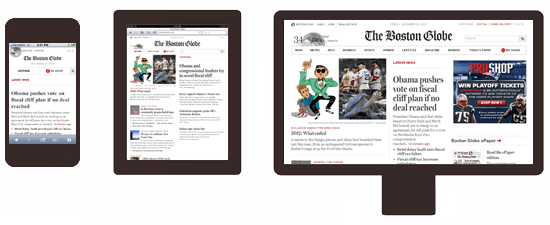
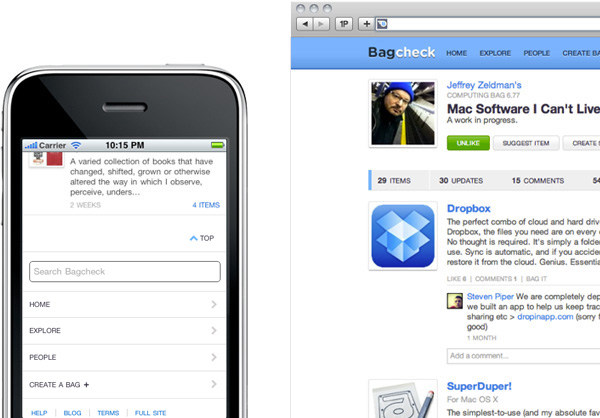
experiences across multiple devices. But which approach is right for any
given project? By Luke Wroblewski
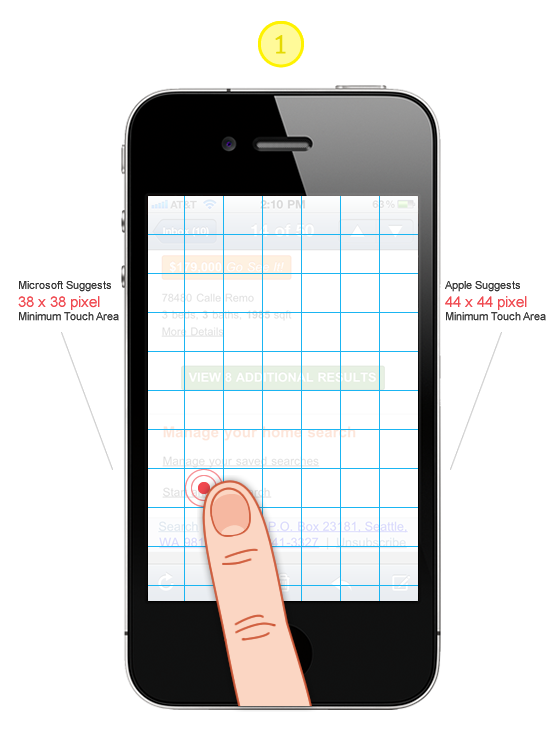
Creating web apps and sites for the Mobile Web has its own sets of challenges and techniques. From UIs optimized for fingers instead of mouse cursors to the bandwidth limitations that most portable personal devices have, developing for mobile devices requires a paradigm shift for those of us who’ve traditionally created products aimed at desktops. By Jacob Gube
For designers, Android is the elephant in the room when it comes to app design. As much as designers would like to think it’s an iOS world in which all anyones cares about are iPhones, iPads and the App Store, nobody can ignore that Android currently has the majority of smartphone market share and that it is being used on everything from tablets to e-readers. In short, the Google Android platform is quickly becoming ubiquitous, and brands are starting to notice. By Dan McKenzie
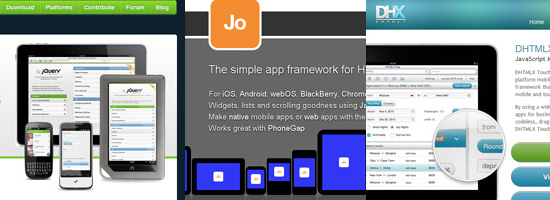
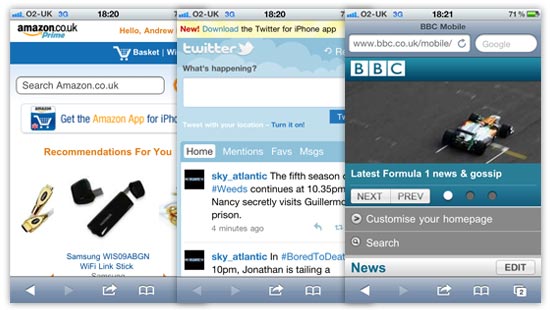
Mobile web apps are useful alternatives to native apps for mobile devices. These days, Android-based products and iOS devices like the iPhone and iPad all come packed with fantastic mobile browsers (Mobile Chrome and Mobile Safari respectively), and Opera fans can install their preferred browser, too. By Andrew Devlin
A few years ago, Morgan Stanley published a report in which they predicted that somewhere in 2012 more mobile devices would be shipped than PCs. Well, it happened two years earlier than predicted. By Luke Wroblewski
Whether 2011 will be the real “year of the mobile” remains to be seen, but what is indisputable is the fact that the mobile usage of the Web is growing and evolving. As it evolves, so does the mobile user experience, driven by advances in mobile device technology — from better browsers on basic mobile phones (or feature phones — remember the Motorola RAZR?) to the increased adoption of smartphones and tablets. By Lyndon Cerejo